
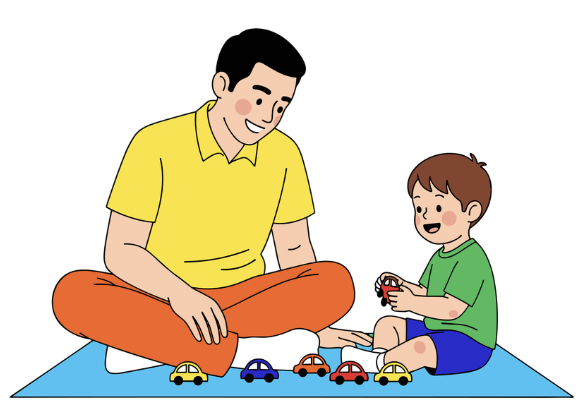
Picture this: You’re sitting on the living room floor with your child, rolling a toy car back and forth. You ask a simple question, or you leave an open-ended pause in the game, waiting for them to take their turn.
One second passes. Two seconds. Three.
Suddenly, the silence feels incredibly loud. As adults, our brains are hardwired to abhor a conversational vacuum. When a pause stretches out, a little voice inside us panics: Are they listening? Did they hear me? Should I ask again? Should I just do it for them?

Before we know it, we jump in to fill the gap. We repeat the question, we prompt them, or we answer for them. But here is the secret: when we cut the silence short, we accidentally cut off their opportunity to communicate.
The magic (and misery) of the 10-second wait
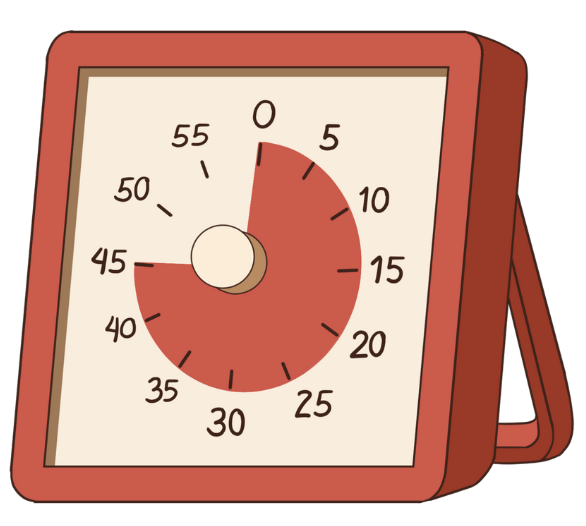
In speech pathology, we talk a lot about “wait time.” For a neurodivergent child or a young language learner, processing speech isn’t instantaneous. Their brilliant brains have to hear your words, decode what they mean, formulate a thought, map out how their body or their communication device will respond, and then execute that response.
That takes time. Often, it takes a full 10 seconds.
The trouble is, 10 seconds of silence in real life feels like an absolute eternity. It feels deeply awkward, uncomfortable, and unnatural. If you struggle with it, please know you are not alone. It is a completely normal adult reflex to want to step in. But holding that space – what we call the expectant pause – is one of the most powerful, child-safe ways to build communicative autonomy. It signals to your child:
I value your voice, and I am not going to rush you.
Grounding yourself in the silence
How do we survive those excruciating 10 seconds without jumping in? The key is to shift your focus from waiting for an answer to actively holding the space.
Here are a few actionable, internal grounding phrases you can say to yourself to help maintain an empathetic, unhurried presence while your child processes:
- “I am giving them the gift of time.” Remind yourself that silence isn’t empty; it is full of active mental processing. Your quietness is a form of support.
- “Count the fish.” In your head, slowly count to ten, picturing fish swimming calmly past. This gives your adult brain a task to focus on so you don’t accidentally interrupt.
- “Their timeline, not mine.” This reminds us to drop adult-convenient expectations and let the child lead the rhythm of the interaction.
- “I am listening with my eyes.” Watch their body language, their gaze, or how they handle their visual tools. Often, they are responding during the pause – just not with spoken words yet.
Communication should never feel like a high-pressure pop quiz. By embracing the discomfort of the expectant pause, you change the environment from a place of pressure to a place of absolute safety.
Next time you ask a question, take a deep breath, lean back, and count those fish. You might be amazed at what your child says when they finally have the room to say it.
