If you’ve ever spent much time on our website or social media, you’ve probably wondered: Why “Talking Fish”? It’s a whimsical name, sure. It evokes images of colourful, bubbling underwater worlds and storybook characters. But for us, the name is much more than a playful brand. It is the entire heartbeat of our practice, deeply anchored in a quote often attributed to Albert Einstein:
“Everybody is a genius. But if you judge a fish by its ability to climb a tree, it will spend its whole life believing that it is stupid.”
For decades, traditional speech pathology and childhood education have operated a bit like a tree-climbing contest. Society sets up a single, rigid trunk of standard milestones and expects every child to scale it at the exact same speed, using the exact same path. If a child scrambles up effortlessly, they are praised. But if a child stands at the base of the trunk – built differently, processing differently, or communicating dynamically – they are often labeled as “delayed” or forced into compliance-based therapies designed to make them look like a bird or a monkey.
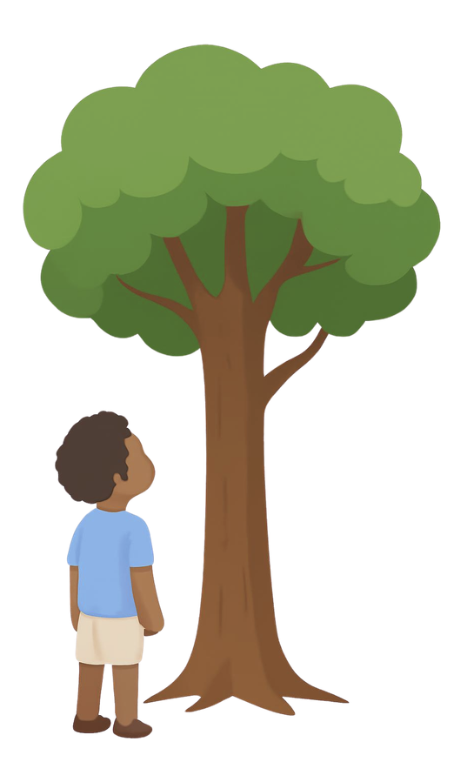
At Talking Fish, we look at the tree-climbing contest and say: Why are we trying to force a fish out of the water?
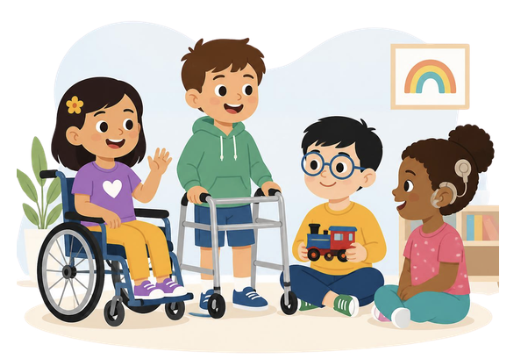
When neurodivergent, disabled, Deaf, or hard-of-hearing children enter a traditional, compliance-driven therapy space, they are often asked to leave their natural strengths at the door. They might be forced to make eye contact, sit perfectly still, or use rigid, transactional communication cards just to get their basic needs met. It is exhausting, it is stressful, and quite frankly, it’s like asking a fish to sprout legs.
Our mission is to change the environment, not the child. Instead of trying to teach a fish how to climb, our team spends our time reshaping the environment so the fish can swim in their own strengths. We can use these strengths to overcome many challenges in our daily lives.
What does that look like in practice? It means we avoid the rigid timers and compliance charts. If a child communicates beautifully through joyful movement, robust AAC devices, or passionate echolalia, we dive into that water with them. We don’t measure success by how quickly a child conforms to adult-convenient milestones. We measure success by emotional safety, autonomy, and genuine connection. Because the secret of development is simple: enjoyment drives progress. When a child feels safe, understood, and allowed to exist exactly as they are, their communication naturally flourishes.

We named our business Talking Fish because we believe every single child has a brilliant, unique voice. They don’t need to be fixed, and they certainly don’t need to learn how to climb trees. They just need a safe, empathetic space where they can finally stretch their fins and swim.
